
This post may contain affiliate links, including those from Amazon Associates. If you make a purchase through these links, I may earn a commission at no additional cost to you. Learn more about our affiliate policy.
There is a special kind of magic that happens when you gather herbs and bring them into your home.
A few glass jars on a shelf can feel like a small sanctuary, especially on days when life feels rushed or heavy. Even the simplest apothecary becomes a reminder that nourishment can be handmade and that nature is always close.
You do not need a large space or a big budget to begin, only an intention to create something gentle and supportive for your everyday rhythms.
Many of us dream of having an herbal cabinet filled with healing plants, tinctures, oils, and teas. Yet it often feels out of reach, especially when life is busy or the price of specialty items adds up.
Building your own apothecary slowly and intentionally changes that. It turns the process into a soothing ritual rather than a stressful project.
Begin With a Small, Powerful Collection
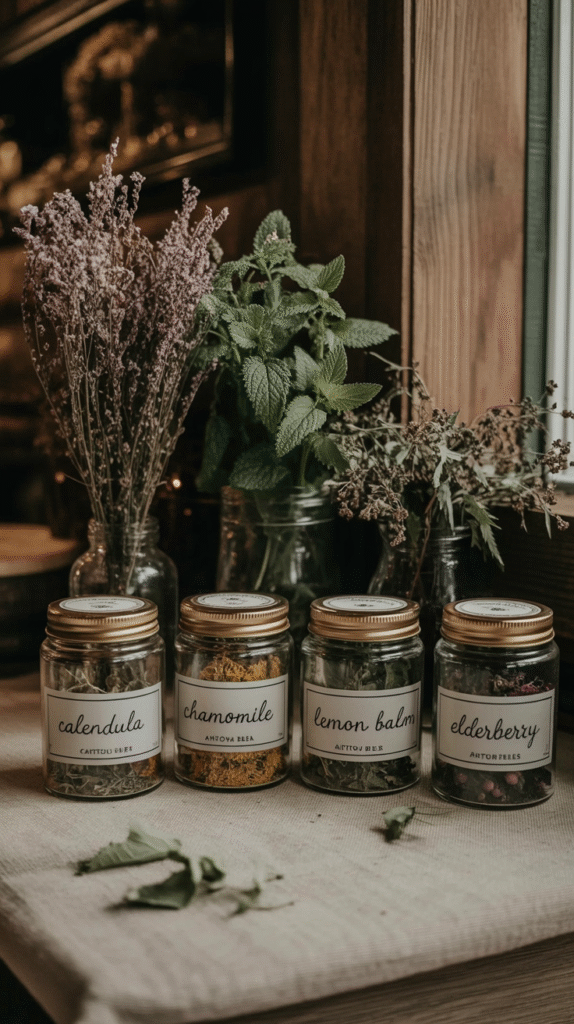
A meaningful herbal apothecary grows as you learn which plants support your body and nervous system best. Starting with a small group of herbs keeps the process simple and helps you build real familiarity.
A few beginner-friendly herbs to consider are:
- Calendula flowers for skin-nourishing oils and teas
- Chamomile flowers for calming evenings and digestion
- Lemon balm for emotional ease and stress relief
- Nettle leaf for mineral-rich daily tea
- Elder berries for seasonal immune support
You only need four or five herbs to begin creating dozens of gentle remedies. A handful of well-loved herbs already carries the spirit you are looking for.
Buy, Grow, or Gather Herbs in Simple Ways
You do not need expensive tools or rare ingredients. Most herbalists begin with what grows nearby or what can be purchased in bulk. This keeps the cost low and allows your apothecary to feel grounded in the land around you.
If you want to grow herbs
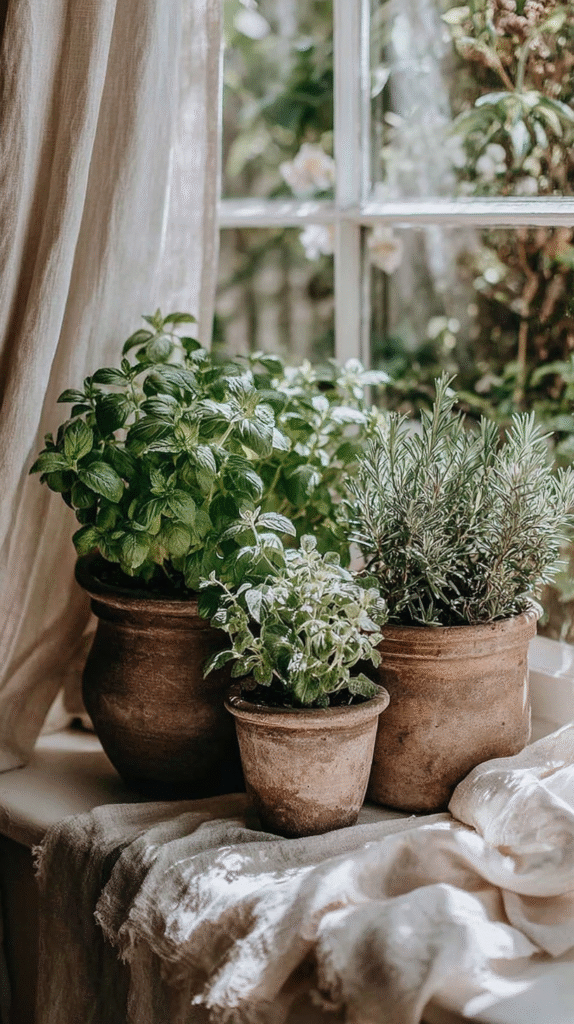
Many herbs thrive in containers. Even a sunny windowsill is enough for:
- Mint
- Rosemary
- Lemon balm
- Basil
- Thyme
Growing your own herbs means you always have fresh leaves to dry or use immediately. It also brings a sense of connection to the natural world, even in small spaces.
If you want to buy herbs affordably
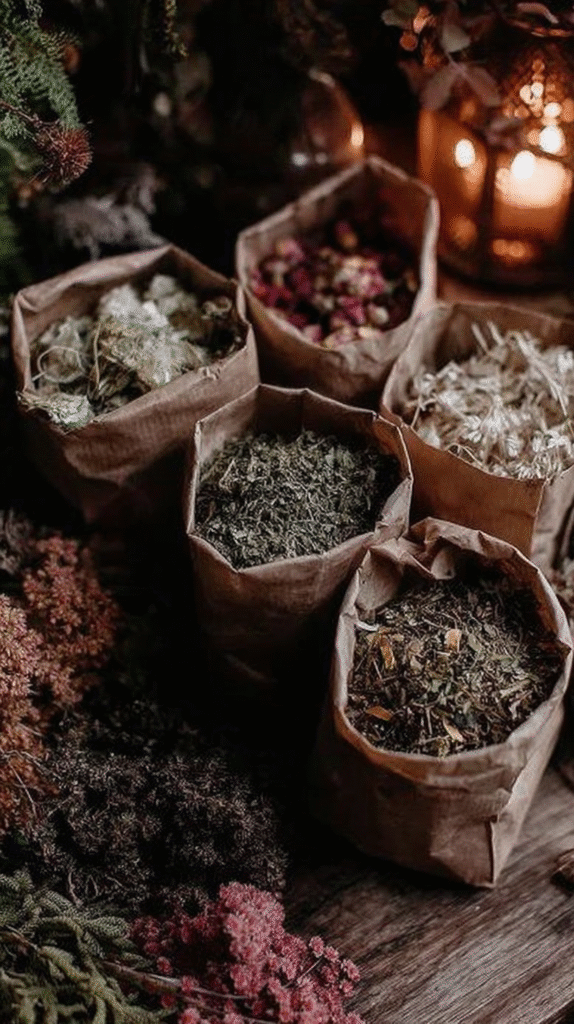
Try these options:
- Bulk bins at natural food stores
- Local herbal shops that sell by the ounce
- Splitting purchases with a friend
- A trusted online source like Mountain Rose Herbs, which offers high quality organic botanicals at accessible prices.
Buying one ounce at a time keeps your budget steady and reduces waste.
If you want to gather herbs
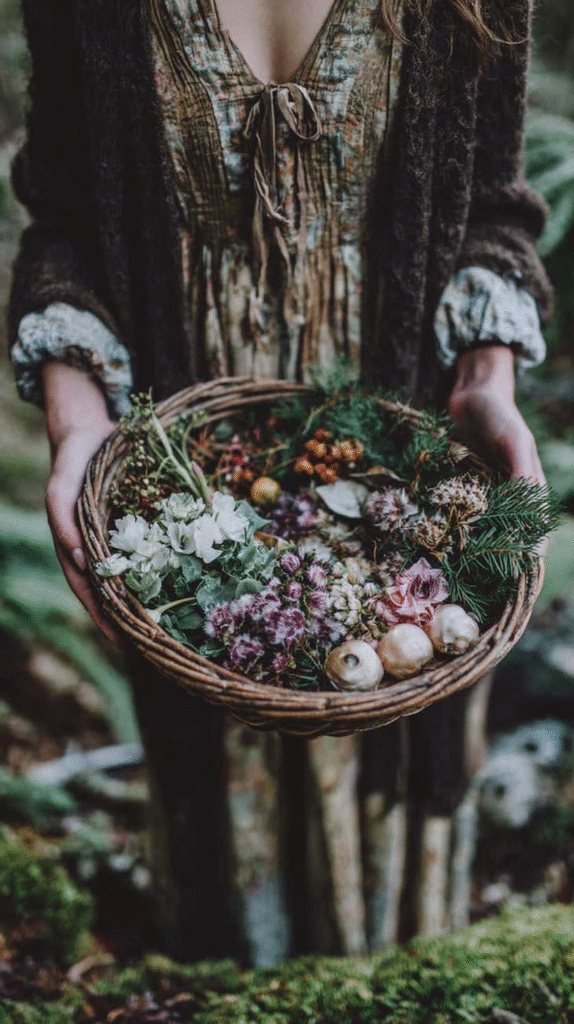
Foraging can be deeply fulfilling. Even a neighborhood walk might offer pine needles, dandelion flowers, rose hips, or spruce tips. Always research proper identification and safe harvesting practices first.
How to Dry Fresh Herbs at Home
Drying herbs is simple and requires very little equipment. You can hang small bundles in a warm, airy room, spread leaves across a screen or cloth to dry flat, or use your oven on the lowest setting when you need a quicker option. Each method preserves the plant’s potency so it can be stored for months.
If you want a full guide with step-by-step instructions, you can read the complete post on how to dry flowers and herbs.
Create a Beautiful and Organized Storage Space
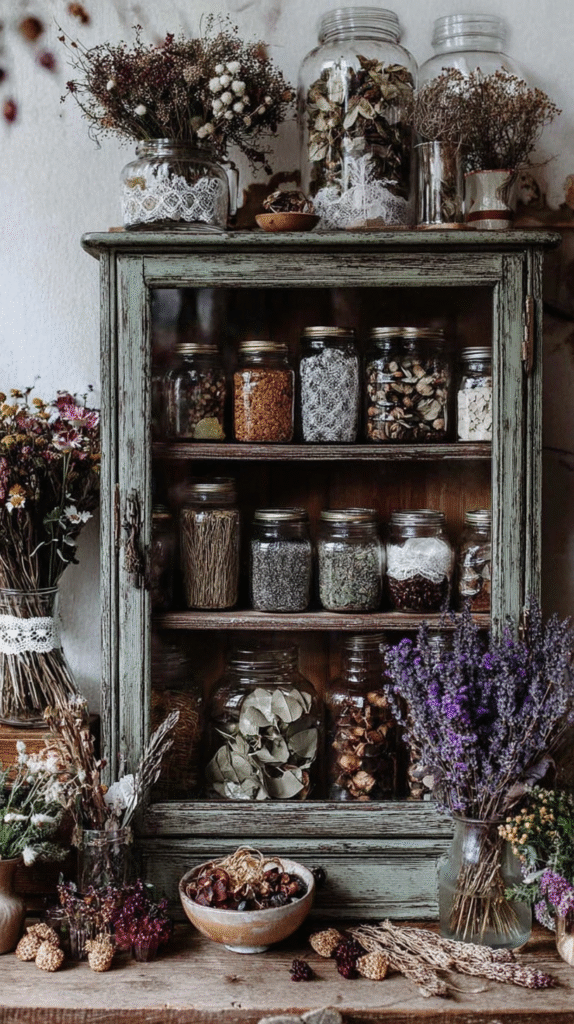
Your apothecary does not need to be elaborate. A single shelf, a cabinet, or a corner of your kitchen can become a small sacred-feeling space.
Gather simple storage materials:
- Clean glass jars in various sizes
- Labels for each herb
- A cool and dry cabinet or drawer
- A small notebook for notes
Save jars from pasta sauces, honey, or jam. Clean them well and label them with the herb name, date, and where it came from. Dark glass jars help protect herbs from light, but clear jars are fine if kept away from sun.
What matters is creating a space that feels cared for and welcoming rather than curated or perfect.
Here are more creative and affordable ideas for your apothecary cabinet.
Learn Simple Herbal Preparations
You do not need complicated recipes to feel supported by herbs. Start with basic preparations that require only a few ingredients and a quiet moment.
Beginner-friendly remedies include:
- Tea and infusions for calming evenings or morning grounding
- Herbal oils made by steeping dried herbs in olive oil
- Vinegars and oxymels using herbs, apple cider vinegar, and honey
- Salves created by blending infused oils with beeswax
- Simple syrups like elderberry for seasonal wellness
Find more herbal recipes for sleep, stress and slow evenings here.
Build Your Apothecary Over Time
A budget-friendly apothecary grows with patience. Each season offers new plants to try and new remedies to explore.
Let the seasons guide your additions:
- Spring herbs like lemon balm, mint, and early flowers
- Summer herbs like chamomile and lavender
- Autumn berries and roots
- Winter-friendly projects like syrups, salves, and oils
Adding one or two new herbs each year keeps the apothecary sustainable and aligned with your life. This gentle pace allows the collection to become a true companion rather than another overwhelming project.
Make It Feel Like a Ritual, Not a Task
Your apothecary becomes most powerful when you give yourself permission to slow down. Simple moments of presence turn herb work into ritual.
Supportive gestures include:
- Smelling an herb before storing it
- Sitting for a breath as your tea steeps
- Listening to soft music while you strain an infused oil
- Keeping a small notebook to track how each herb feels in your body
These intentional practices create a sense of grounding after long days and help your apothecary feel nourishing rather than demanding.
Closing Reflection
A herbal apothecary built on a modest budget becomes a devotion to simple beauty. A jar of calendula salve, a calming tea blend, or an infused oil carries more than function. It carries your presence, your creativity, and your desire to live in rhythm with nature.
Let your apothecary grow gently. Let it remind you that nourishment does not need to be complicated to be powerful. Over time, the jars you gather become small symbols of trust that you can support yourself with your own hands and with the offerings of the earth.